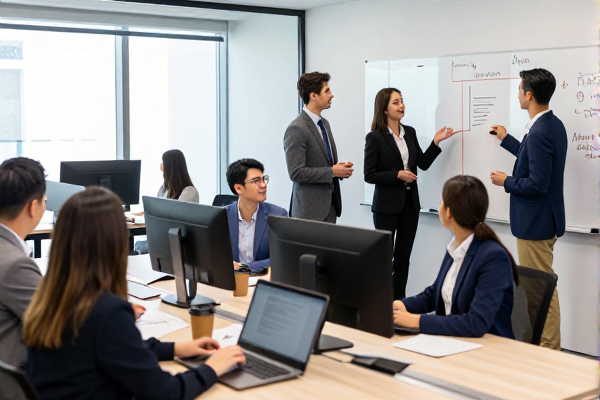
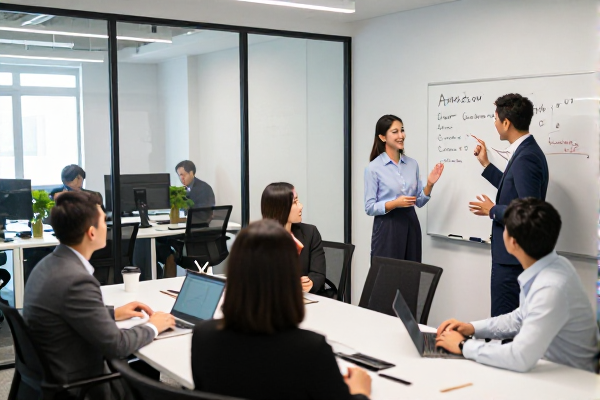
The phrase "come to work" has evolved from a simple instruction into a complex strategic pivot point for businesses and a significant lifestyle adjustment for employees. For organizations, successfully bringing teams back to a physical office or establishing effective hybrid models requires a deliberate focus on cultural reintegration, purposeful workspace design, and flexible policy frameworks. For professionals, it demands a reassessment of daily routines, communication strategies, and career development pathways within a reshaped work environment. Success hinges on moving beyond mandates to create mutual value.
Why Is "Coming to Work" Now a Strategic Initiative, Not Just a Policy?
Gone are the days when a return-to-office (RTO) announcement was a straightforward logistical exercise. Today, it's a core component of talent strategy. A blanket mandate can lead to decreased morale and increased turnover. According to a 2026 Gallup survey, employees with clear expectations and flexibility show significantly higher engagement. Therefore, the strategy must answer: What unique value does the physical workplace provide that remote work cannot? The answer often lies in fostering spontaneous collaboration, strengthening company culture through shared experiences, and accelerating mentorship and onboarding for new hires. The goal is to design an office that employees want to come to, not just are told to.
How Can Employers Design a Return That Enhances Productivity and Culture?
A successful transition is employee-centric and transparent. Key steps include:
- Define the "Why" and Co-Create the "How": Communicate the business rationale behind the new working model. Use surveys and focus groups to understand employee concerns and preferences, involving them in shaping hybrid schedules and workspace layouts.
- Reimagine the Office as a Collaboration Hub: Move away from rows of assigned desks. Design spaces for various activities: quiet focus pods, open collaboration zones, and technology-enabled meeting rooms. The office should facilitate the work that is best done together.
- Invest in Equitable Technology: Ensure meeting rooms have top-tier audio/video equipment so remote participants are fully integrated, not second-class attendees. This mitigates proximity bias and fosters inclusion.
- Train Managers for Hybrid Leadership: The core skill of people management shifts from oversight to outcome-based leadership and intentional facilitation of connection. Managers need training to lead distributed teams effectively, ensuring fairness and maintaining team cohesion.
What Should Employees Do to Successfully Navigate the Transition?
For professionals, adapting to a new in-office rhythm is an active process. Key strategies include:
- Re-establish Routines and Boundaries: Recalibrate morning routines, commute times, and end-of-day rituals to separate work from personal life. Use the commute for podcasts or learning to reframe it as productive transition time.
- Master Proactive Visibility and Communication: In a hybrid setting, out of sight cannot mean out of mind. Be deliberate about sharing updates, contributing in meetings (both in-person and virtual), and scheduling regular check-ins with your manager. Document your accomplishments.
- Leverage In-Person Time for Relationship Building: Use office days for activities that benefit from high-bandwidth interaction: complex problem-solving sessions, mentoring conversations, networking with colleagues from other departments, and building social capital.
- Negotiate with Clarity: If you seek specific flexibility, approach the conversation prepared. Frame your request around productivity and outcomes. For example, "To achieve [X goal], I propose working remotely on Wednesdays for focused deep work, which will allow me to contribute more effectively during our in-person collaborative days."
What Does a Sustainable Hybrid Model Look Like?
The most sustainable models are built on principles, not just rules. They often feature:
- Core Collaboration Days: Designating 2-3 specific days per week when teams are expected in the office to maximize face-to-face time.
- Role-Based Flexibility: Acknowledging that flexibility may differ based on function (e.g., lab-based roles vs. coding roles).
- Focus on Outputs, Not Hours: Shifting performance management to evaluate based on results and impact rather than physical presence.
- Ongoing Feedback Loops: Regularly assessing the model through pulse surveys and usage data, being willing to adjust policies as needed.

In conclusion, making "come to work" a positive and productive reality requires effort from both sides of the employment equation. Employers must prioritize purpose, culture, and flexibility over simple presence. Employees must proactively manage their visibility, relationships, and routines. By focusing on clear communication, intentional workspace design, and outcome-based trust, organizations can build a working model that attracts talent, drives innovation, and respects the evolving needs of the modern workforce.


 Share
Share